
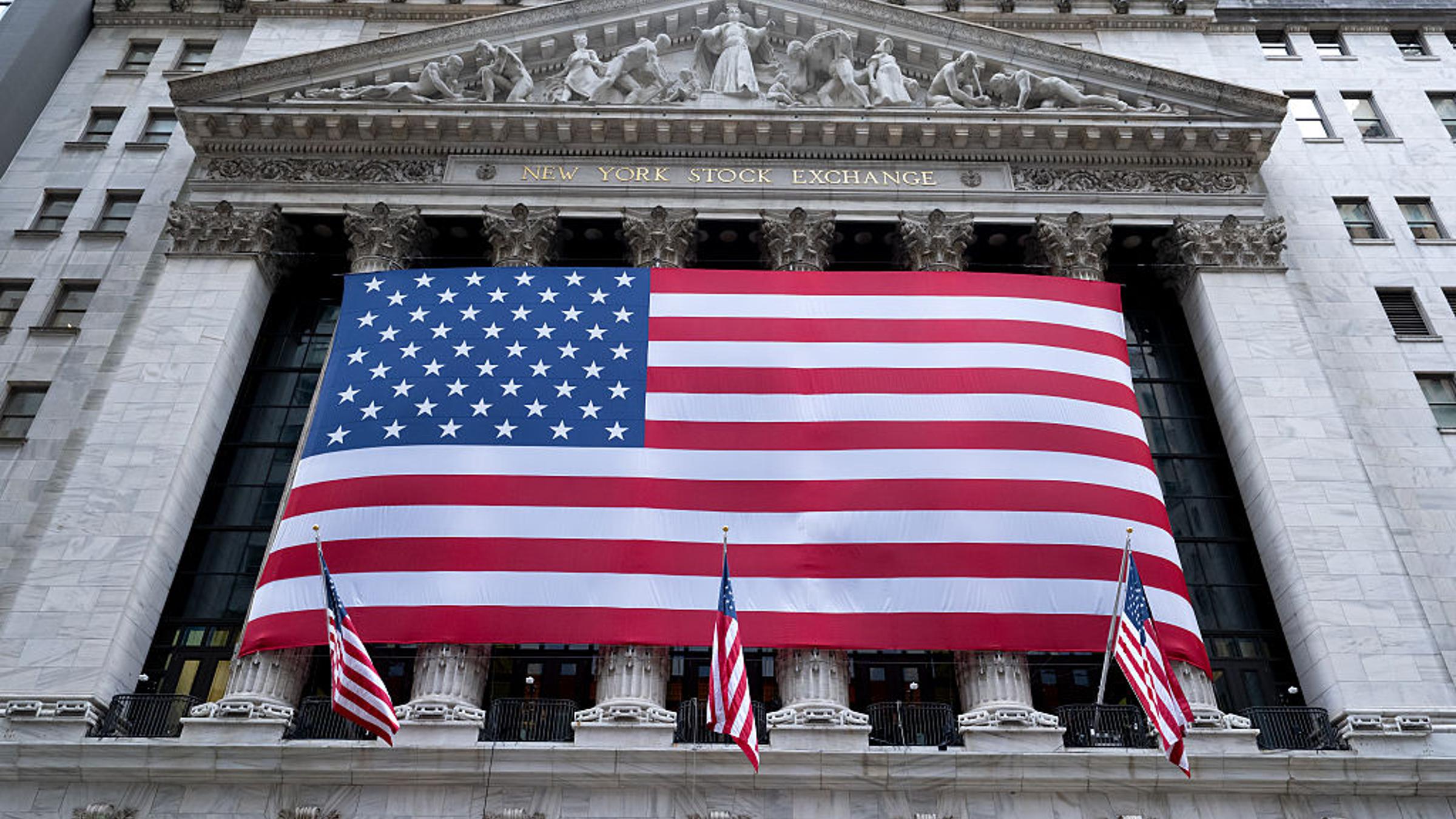
While domestic conversations in the United States are often dominated by themes of volatility and institutional decline, a global perspective reveals a starkly different reality. To international investors, governments, and corporations, the American financial system remains an indispensable engine of growth rather than a relic in decay. Recent travel across Europe, India, and China highlights a persistent gap between internal pessimism and external demand, as foreign entities continue to scramble for deeper access to U.S. markets. The data backs this trend, showing that the U.S. share of global direct investment has climbed from fifteen percent pre-pandemic to an average of twenty percent starting in 2024.
This dominance is most evident in the enduring power of the dollar and the massive scale of U.S. equity markets, which now represent nearly sixty five percent of global market capitalization. Despite frequent headlines regarding de-dollarization, the broad dollar index sits near a forty year high, and central bank surveys indicate that ninety percent of international transactions remain dollar-based. This suggests that while geopolitical tensions exist, the gravitational pull of American liquidity and transparency remains unmatched globally. As the world enters a decade defined by who can actually finance the future—from AI infrastructure to green energy—the ability to mobilize capital at such immense speed and scale provides a decisive edge_
Beyond the giant conglomerates of the S&P 500, the American ecosystem offers an unparalleled pipeline for entrepreneurs. With sixty four percent of global startup funding flowing into U.S.-based companies, there is a unique pathway available where a founder can start with a community bank loan and end up listing on the world’s largest stock exchange. This integration allows millions of citizens to participate in national success through retirement accounts and personal portfolios, effectively turning private innovation into widespread public wealth creation._
Ultimately, this advantage is rooted in more than just size; it is built on trust developed over generations within competitive banking sectors and transparent legal frameworks. While critics point to past failures or systemic flaws, the real strength of the American model lies in its capacity to adapt and reform following crises. By continuously renewing itself through competition and innovation, the U.S. maintains its status as the safest harbor during economic shocks. It is this resilience that ensures global capital keeps choosing America long after skeptics suggest otherwise_